
No Pain, Still a Problem: Why Your Dentist Might Recommend Pulling a Tooth That Feels Fine
Hearing that you need a tooth pulled is never welcome news, but it can be especially confusing when that tooth feels perfectly fine. If it isn’t causing any pain, why not just leave it alone? The truth is that many serious dental problems develop quietly, and by the time they hurt, the damage may be much worse. Here are some of the most common reasons your dentist may recommend a tooth extraction even when you aren’t feeling any discomfort.
Advanced Tooth Decay
Cavities often start small and painless. But as decay spreads deeper into the tooth, it can cause extensive damage long before it reaches the nerve and starts to hurt. In some cases, so much of the tooth’s structure is lost that a filling, crown, or root canal is no longer an option. Removing the tooth can stop the decay and infection from spreading to nearby teeth.
Gum Disease
Advanced gum disease, or periodontitis, can slowly destroy the gums and jawbone that hold your teeth in place. As this support breaks down, teeth can become loose, and surprisingly, this often happens without any pain at all. If a tooth has lost too much support to be saved, extracting it can help protect your overall oral health.
Making Room for Orthodontic Treatment
If your mouth is overcrowded, there may not be enough space for your teeth to move into proper alignment with braces or clear aligners. In these cases, your dentist or orthodontist may recommend removing one or more healthy teeth to make room. While it may seem strange to pull a tooth that’s perfectly fine, it can be key to achieving a straight, healthy smile.
Preventing Future Problems
Sometimes an extraction is recommended to stop trouble before it starts. Wisdom teeth are a common example. Even if they aren’t causing pain right now, wisdom teeth that are trapped beneath the gums or growing in at an angle can lead to infection, cysts, or damage to neighboring teeth down the road. Removing them early is often easier, with a smoother recovery.
Protecting Your Health During Medical Treatment
For patients with weakened immune systems, such as those undergoing chemotherapy or preparing for an organ transplant, even a minor dental infection can become serious. A problem tooth that isn’t bothering you could still pose a risk if bacteria spread to other parts of the body. In these situations, your dentist may recommend removing it as a precaution.
What to Expect From a Tooth Extraction
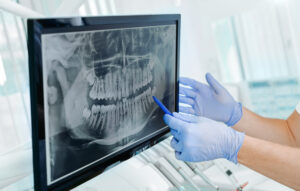
Before your procedure, your dentist will examine your tooth and take X-rays to plan the safest approach. The area will be numbed so you stay comfortable, and sedation may be available if you feel nervous. Afterward, some mild soreness and swelling are normal and usually improve within a few days. Your dentist will also talk with you about options for replacing the tooth, like a dental implant, bridge, or denture, to keep your smile complete.
About the Practice
At Vason Family Dentistry of Buckhead in Atlanta, GA, Dr. Carlisle Vason provides gentle, comprehensive care for patients of all ages. He completed an advanced general dentistry residency with training in oral surgery, implant placement, and sedation, and continues his education at the renowned Pankey Institute. The practice also offers oral conscious and nitrous oxide sedation for added comfort. To schedule a visit, call (404) 367-9799 or contact us online.